
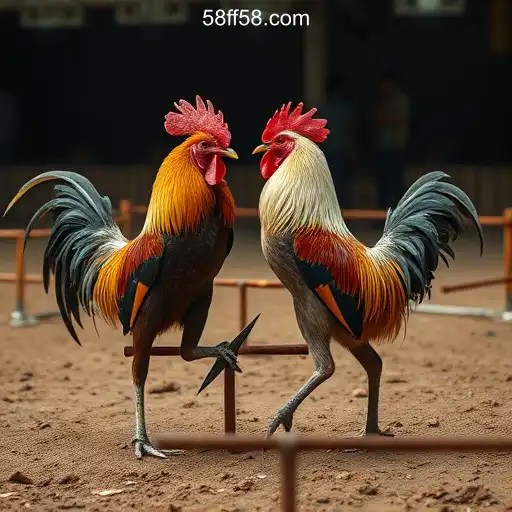

Exploring the Thrilling World of Sabong Games
Sabong, or cockfighting, is a traditional blood sport that has been popular in various cultures around the world for centuries. Originating primarily in Southeast Asia, it has gained a significant following due to its thrilling nature and the cultural significance it holds in countries like the Philippines. While modern perspectives on animal fights have shifted considerably, this article dives into the allure and longstanding tradition of sabong games, their cultural impact, and why enthusiasts might be interested in the excitement they offer.
The Historical Significance of Sabong
Sabong holds a deep-rooted cultural significance in places like the Philippines, where it is often seen as more than just a sport. Historically, it was a form of entertainment that brought communities together, allowing participants to demonstrate their skill in breeding, training, and betting on the outcomes of matches. This traditional pastime is not only about victory in combat but also about the pride associated with raising a worthy fighting bird. Such practices date back hundreds, if not thousands, of years, showing the durability and significance of this tradition.
The Game's Mechanism
The basic premise of sabong involves pitting two roosters against one another in an enclosed space, where spectators place bets on the likely victor. Each fighter is equipped with a sharp blade, known as a spur, attached to its legs, intensifying the battle. The game concludes when one rooster dies or is unable to continue fighting, making it a highly suspenseful and often unpredictable event. This unpredictability is one of the critical factors that draws audiences to sabong games, as the outcome can change in an instant.
Cultural Beliefs and Traditions
In many cultural contexts, sabong is more than just a sport—it’s a ceremony intertwined with local beliefs and traditions. Some communities consider fighting roosters sacred, attributing skills and outcomes to divine interventions. Celebrations and festivals often feature cockfighting events, marking important occasions or paying homage to local gods and spirits. This connection to cultural tradition imbues the sport with an aura that extends beyond mere entertainment.
Modern-Day Sabong and Globalization
With global attitudes shifting towards animal rights, sabong faces new challenges and regulations aimed at protecting animal welfare. Despite these challenges, the sport has evolved and adapted to modern times. Innovations in sabong have led to the rise of online platforms where enthusiasts can participate in virtual cockfighting events. This transition allows traditional enthusiasts and new bettors alike to engage in the experience from anywhere in the world, thus maintaining the sport's relevance in a digitally connected era.
58ff: Cassino Premiado com Pagamentos Rápidos
As the gambling industry continues to innovate, many platforms like 58ff: Cassino premiado com pagamentos rápidos have noted the growing interest of sabong enthusiasts. These platforms provide users with quick and secure transaction options, enhancing the user experience and accommodating the fast-paced nature of betting, akin to the energy found in sabong arenas. By embracing modern technology, such platforms ensure the sport remains accessible and exciting for a new generation of bettors and fans.
The Ethics and Perspectives
While sabong is celebrated in some cultures, it is simultaneously criticized by animal rights activists and organizations dedicated to animal welfare. The ethical considerations surrounding the sport are complex, with proponents emphasizing cultural heritage and detractors raising concerns about cruelty to animals. This polarization prompts a broader discussion on how tradition can coexist with evolving societal values, pushing enthusiasts and observers to consider the implications of their support.
Regulations and Legal Frameworks
To address ethical concerns, various regions with a longstanding tradition of sabong have implemented regulations that aim to balance the sport's cultural significance with animal welfare. Such regulations might include guidelines on how roosters are bred, trained, and treated, ensuring a level of oversight that protects the animals involved while allowing the ritual to persist. The implementation and enforcement of these rules vary widely, reflecting the diverse views that communities have on this traditional sport.
Future Outlook of Sabong
The future of sabong is uncertain and will likely hinge on the ongoing dialogue between its traditional role and modern ethical standards. As more conversations arise about animal welfare, legalization, and the value of cultural preservation, the sport may witness further evolution, possibly incorporating greater technological advancements and ethical regulations. Regardless, sabong remains a testament to the rich cultural tapestry of the regions where it thrives, continuing to be a point of intrigue for many people around the world.